

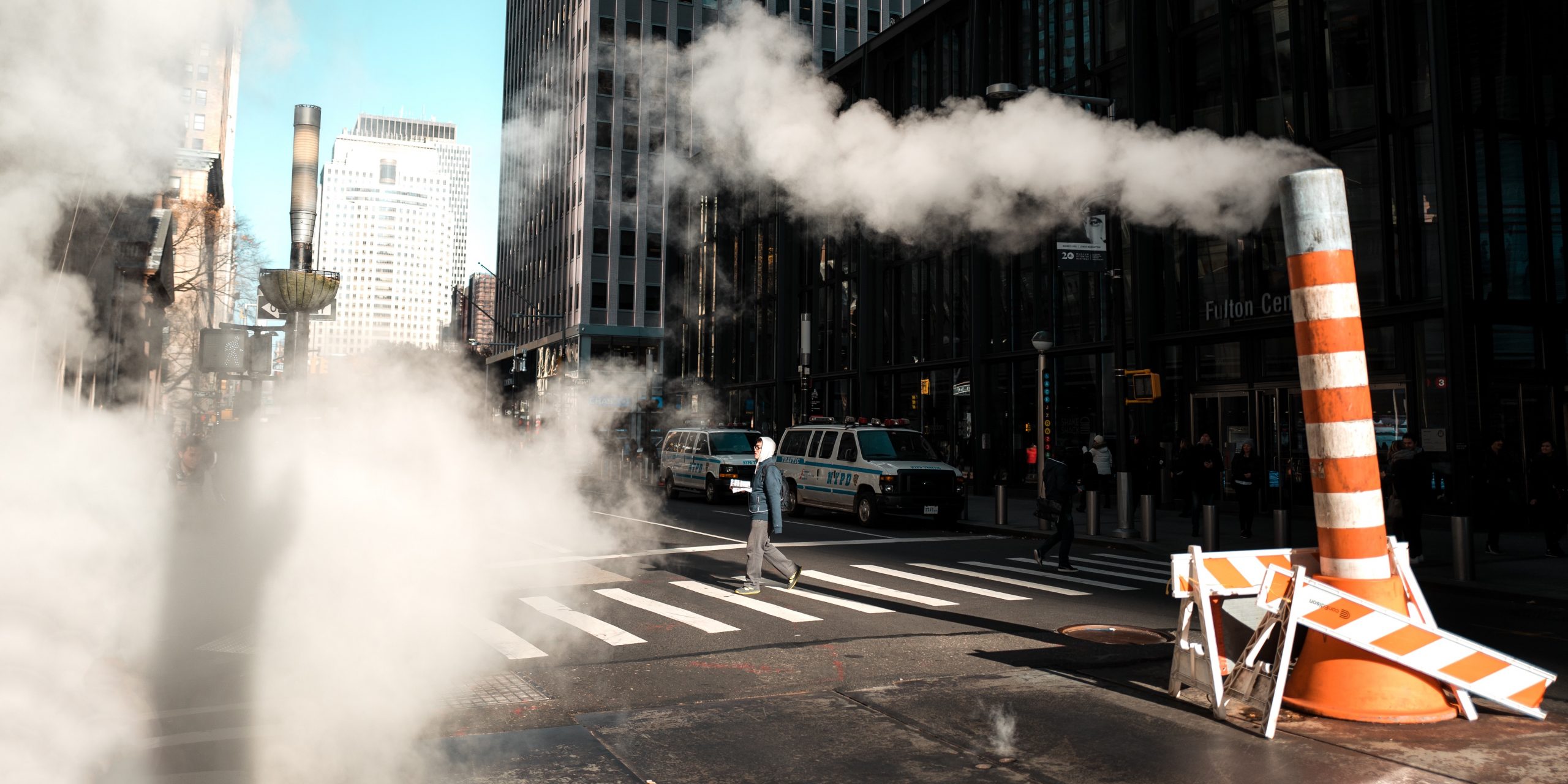
Engineers love technology. Cured in place pipe (CIPP) repair has been around since the 70’s, but with increasing construction costs combined with aging infrastructure, CIPP is often seen as a preferred no-dig solution for water, sewer and stormwater mains, with over 55,000km having been installed worldwide in the past decade. But in recent years there have been concerns that the technology may have public health side effects during installation. So what is CIPP?
The method involves inserting a resin impregnated fabric tube into a damaged pipe and curing it in place with hot water or pressurised steam, occasionally with ultraviolet light. Put simply, CIPP results in the manufacture of a new plastic pipe inside the old, damaged one.
Fluid Handling International

Some of the benefits have been described as:
- Lower Cost
- Low disruption
- Faster
- Long lifespan
- Does not disturb existing Asbestos Cement pipes
- Safer than excavation(?)
But researchers are discovering that these benefits may be offset by health risks during installation, particularly for nearby residents and workers.
Studies from Purdue University have revealed that jobs at study sites, where installers used steam to harden the resin, release a mixture of vaporized and liquid droplets of organic compounds and water, as well as particles of partially hardened resin, into the air. The compounds include hazardous air pollutants such as styrene and methylene chloride, as well as dibutyl phthalate, which some studies have identified as an endocrine disruptor. But other emitted compounds vary, possibly depending on the type of resin used and other operational differences. Styrene, which causes neurological effects, is classified as “reasonably anticipated to be a human carcinogen” by the U.S. National Toxicology Program. And methylene chloride is considered a potential, probable or reasonably anticipated carcinogen by various federal agencies.
Scientific American
These researchers have documented more than 100 incidents that may include health effects from CIPP complaints from members of the public, some hundreds of meters from the location of the work. In one case, a nearby office worker
…noticed a noxious odor that smelled like paint thinner. Her eyes started burning. By noon, she felt nauseated and dizzy, with the burning sensation spreading to her nose and throat. Her mouth went numb. Co-workers in the building told Davis that they felt ill, too. By the evening, she says, she was vomiting.
Scientific American
Sustainability and Health
When we evaluate the sustainability of a project, the impact on the health and wellbeing of the neighbouring community must be taken into account. The Envision Sustainability Rating system offers a framework for considering all aspects of sustainability for construction projects. The most obvious credits that could apply to the issue of CIPP and health risks are:
- QL1.6 Minimize Construction Impacts
- CR2.3 Evaluate Risk and Resilience
- CR2.4 Establish Resilience Goals and Strategies
- LD1.1 Provide Effective Leadership and Commitment
- LD1.3 Provide for Stakeholder Involvement
- LD2.1 Establish a Sustainability Management Plan
- LD3.3 Conduct a Life-Cycle Economic Evaluation
- NW2.4 Protect Surface and Groundwater Quality
If you were considering CIPP on a project and whether or not you were aiming for a sustainability rating or using an evaluation using a system such as Envision, I would recommend any project manager asking the following questions in regard to the health effects of CIPP:
- Who is responsible for making this decision? (LD1.1)
- Have all options for pipe replacement been considered through a sustainability lens considering health, safety, lifespan, lifecycle costing, and pollution? (QL1.6, CR2.3, NW2.4, LD3.3)
- What policies and procedures area in place to protect all workers from risks during construction? (LD2.1, CR2.4)
- What evaluation of risk to the public has been undertaken for construction activities? What mitigation measures are in place to minimize the release of noxious fumes? (CR2.3)
- Has a reasonable area surrounding the work site been advised well in advance of the work occurring, as well as the risks and symptoms in the event of exposure? (QL1.6, LD2.1)
- Have first responders been advised in detail of the risk prior to work commencing? (LD2.1)
Sustainability challenges the way we do things, and there are always trade offs and compromises with almost every decision on every project. But as engineers, we are bound by a code of ethics that holds health and safety as a high importance. In BC the code of ethics starts with:
[Members] shall uphold the values of truth, honesty and trustworthiness and safeguard human life and welfare and the environment. In keeping with these basic tenets, members and licensees shall:
Engineers and Geoscientists BC – Code of Ethics
1) Hold paramount the safety, health and welfare of the public, the protection of the environment and
promote health and safety within the workplace;…
Based on the research, and until there is further evidence that the technology is can be used safely, I will be recommending caution, due to the health effects of CIPP, in future projects.
Read more about the research at Scientific American.
How We Can Help


CoCivil Consulting is experienced in risk management and sustainability for local governments, infrastructure, projects and processes. Contact us today to learn more about our services.